
5 steps to setting achievable goals
Unlock Your Potential: Conquer Your Goals with the SMART Framework
Good evening! Are you tired of setting goals that fizzle out before they even get off the ground? Do you feel overwhelmed by the sheer number of things you want to achieve, but lack the clarity and structure to actually do them? Then it’s time to unleash the power of the SMART goal-setting framework. This isn’t just another productivity hack; it’s a strategic weapon to transform your aspirations into tangible realities.
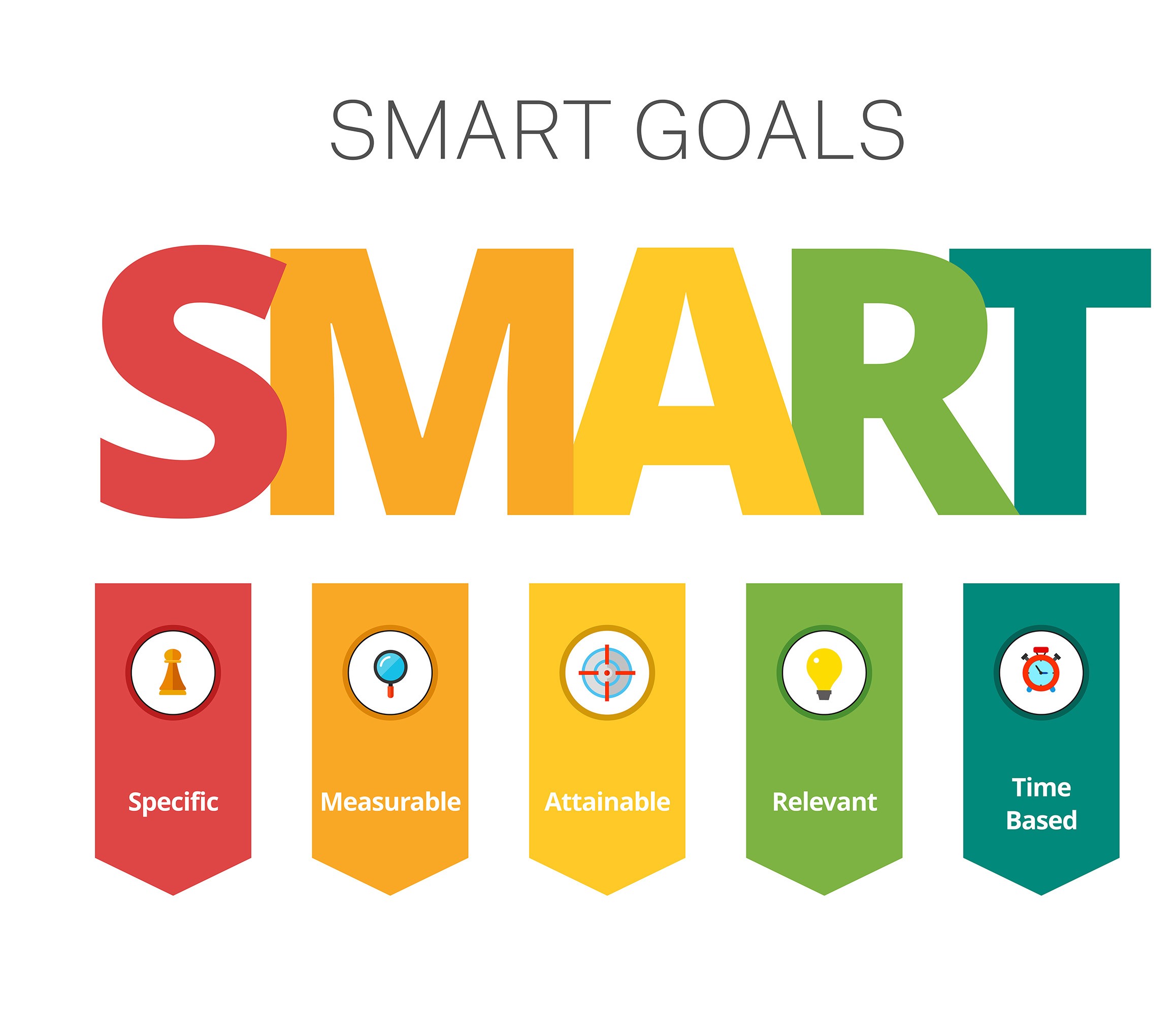
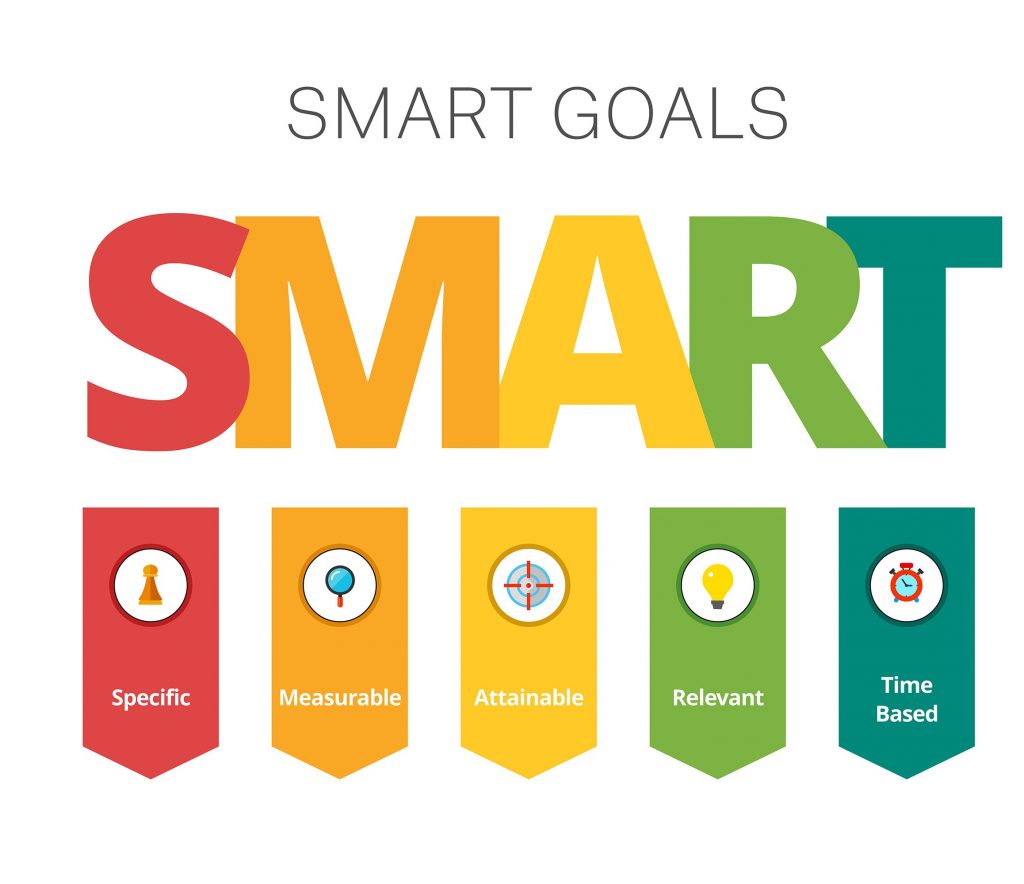
Forget vague pronouncements like “get healthier” or “be more successful.” The SMART framework demands specificity, turning wishful thinking into actionable plans. It’s an acronym that stands for Specific, Measurable, Achievable, Relevant, and Time-bound. Let’s break down each element and then put it into practice.
Specific: Vague goals are breeding grounds for procrastination. Instead of “improve my fitness,” a SMART goal would be “run a 5k race in under 30 minutes by October 27th.” Notice the difference? Specificity eliminates ambiguity and provides a clear target.
Measurable: How will you know if you’ve succeeded? Quantifiable metrics are crucial. For our running example, the measurable aspect is the 5k race and the target time of under 30 minutes. Other examples include “lose 10 pounds,” “increase sales by 15%,” or “write 5 blog posts per month.”
Achievable: Ambition is fantastic, but unrealistic goals lead to frustration and defeat. Your goals should challenge you, but remain within the realm of possibility given your current resources and capabilities. Can you realistically train for a 5k in the given timeframe? Honest self-assessment is key here.
Relevant: Does this goal align with your broader life objectives and values? A goal should contribute to a larger purpose, not just be a random aspiration. If your ultimate goal is to improve your overall health, running a 5k is relevant. If it’s completely unrelated to your life priorities, it might not be worth your time and energy.
Time-bound: Deadlines provide urgency and accountability. Without a timeframe, goals drift into the ether. Our running example clearly states the deadline: October 27th. This creates a sense of urgency and helps you prioritize your training schedule.
Now, let’s put it into practice. Here’s your exercise:
Choose ONE area of your life you want to improve: This could be fitness, career, relationships, finances, or personal development.
Identify ONE specific goal within that area: Be precise! Don’t choose multiple goals at once.
Now, apply the SMART framework:
- Specific: Write down your goal in detail. What exactly will you achieve?
- Measurable: How will you track your progress? What specific metrics will you use?
- Achievable: Is this goal realistic given your current circumstances? What steps will you take to achieve it?
- Relevant: How does this goal align with your overall life goals and values?
- Time-bound: Set a clear deadline. When will you achieve this goal?
Example: Let’s say you chose “improve my finances.” A SMART goal might be: “Save $5,000 by December 31st, 2024, by increasing my savings rate by 10% and reducing discretionary spending by $200 per month, which aligns with my long-term goal of financial independence.”
Take a few minutes to complete this exercise. By applying the SMART framework, you’re not just setting goals; you’re building a roadmap to success. Embrace the power of specificity, and watch your dreams transform into tangible achievements. The journey starts now.